Textile Artisans: Woven Heritage & Texture
If architecture provides the bones of a home, textiles provide its skin. In minimalist and editorial design, where visual clutter is fiercely eliminated, texture must carry the narrative weight. The finest home decor stores recognize that a meticulously sourced rug or a hand-woven throw is not an accessory, but a fundamental architectural softening agent.
Curating Your Space with Fabric
The curation of textiles begins from the ground up. The Moroccan Beni Ourain rug—crafted from undyed sheep's wool in the Atlas Mountains—has become a staple of modern decor due to its thick pile and abstract, geometric line work. Authentic sourcing requires verifying the origin; true Beni Ourain rugs possess a density and lanolin-rich sheen that machine-made replicas cannot imitate. High-end purveyors will often provide direct links to the weaving cooperatives, ensuring fair trade practices.
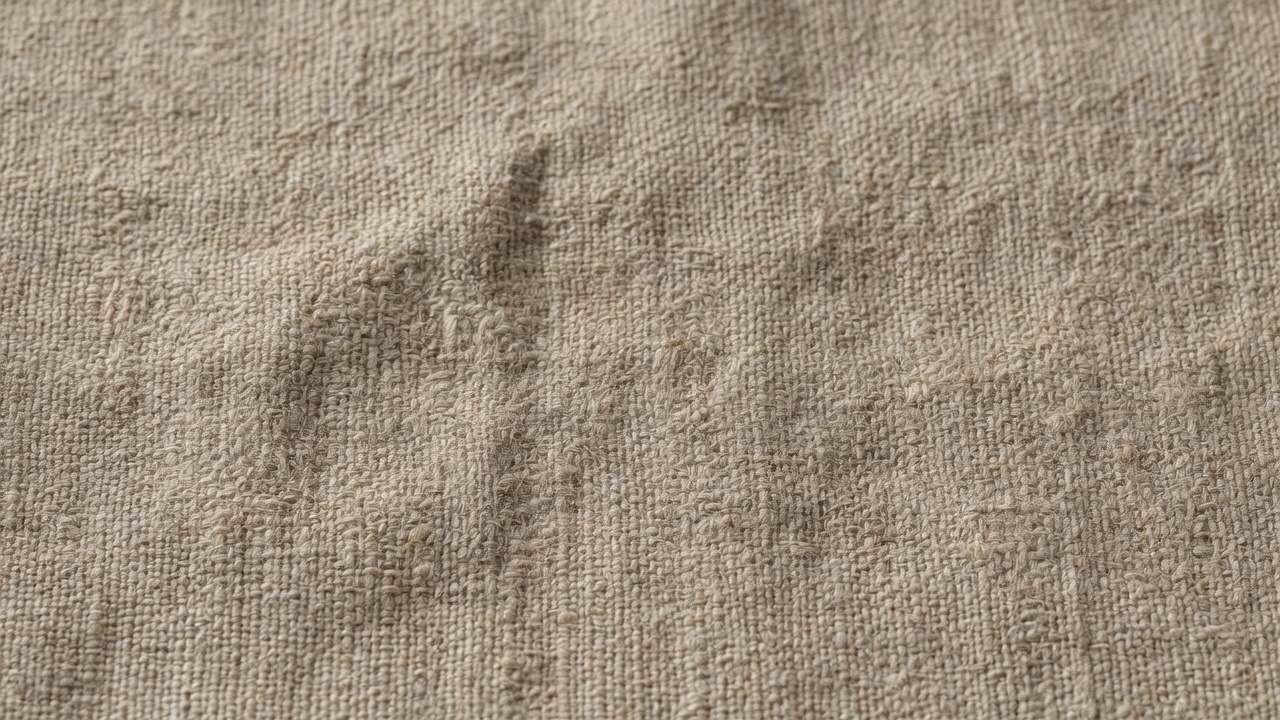
Moving from floors to upholstery and drapery, Belgian linen represents the pinnacle of luxury textiles. Cultivated in the Flanders region, the flax is historically processed using natural rain and dew (dew-retting). The resulting fabric possesses a unique tensile strength and a slubby texture that catches natural light beautifully. Decor stores in Antwerp and Paris frequently showcase these linens in their raw, unbleached states, celebrating the organic oatmeal and stone hues inherent to the fiber.
Sustainable Materials and Dyes
The contemporary textile market is currently undergoing a renaissance of ancient dyeing techniques. Discarding harsh synthetic dyes, luxury artisans are returning to botanical sources: indigo (blue tones, though carefully avoiding the vibrant electric blues excluded from our palette in favor of deep, almost black-navy or muted plant tones), madder root (crimson and brick reds), and weld (yellows).
"Texture is the unsung hero of the minimalist interior. Without the interplay of rough wool against smooth glass, a room is merely a sterile box."
Sustainable sourcing also means investigating the life cycle of the fabric. Ahimsa silk (peace silk), organically grown Turkish cotton, and recycled cashmere are prominent in the portfolios of top-tier decor brands. These materials are woven using traditional hand-looms—a slow, deliberate process that introduces minor irregularities into the fabric. These 'flaws' are the very signature of human hands, distinguishing artisan textiles from industrial yardage.
Layering for Depth
The art of styling these textiles involves restraint. A minimalist approach does not mean an absence of fabric, but rather deliberate layering. A heavy wool bouclé chair paired with a whisper-thin linen sheer curtain creates a dialogue of light and weight. When exploring specialized textile boutiques, designers look for cohesive palettes based on earth pigments, allowing various textures—from flat-weave Kilims to dense velvets—to coexist harmoniously within the same visual field.