Mid-Century Furniture: Timeless Joinery & Form
The endurance of mid-century modern furniture in high-end decor is not a trend; it is a testament to perfect proportion. Emerging from the post-war era, designers sought to combine mass-production capabilities with organic, human-centric forms. Today, sourcing authentic vintage pieces or masterfully licensed reproductions is central to sophisticated interior design.
Curating Your Space with Classics
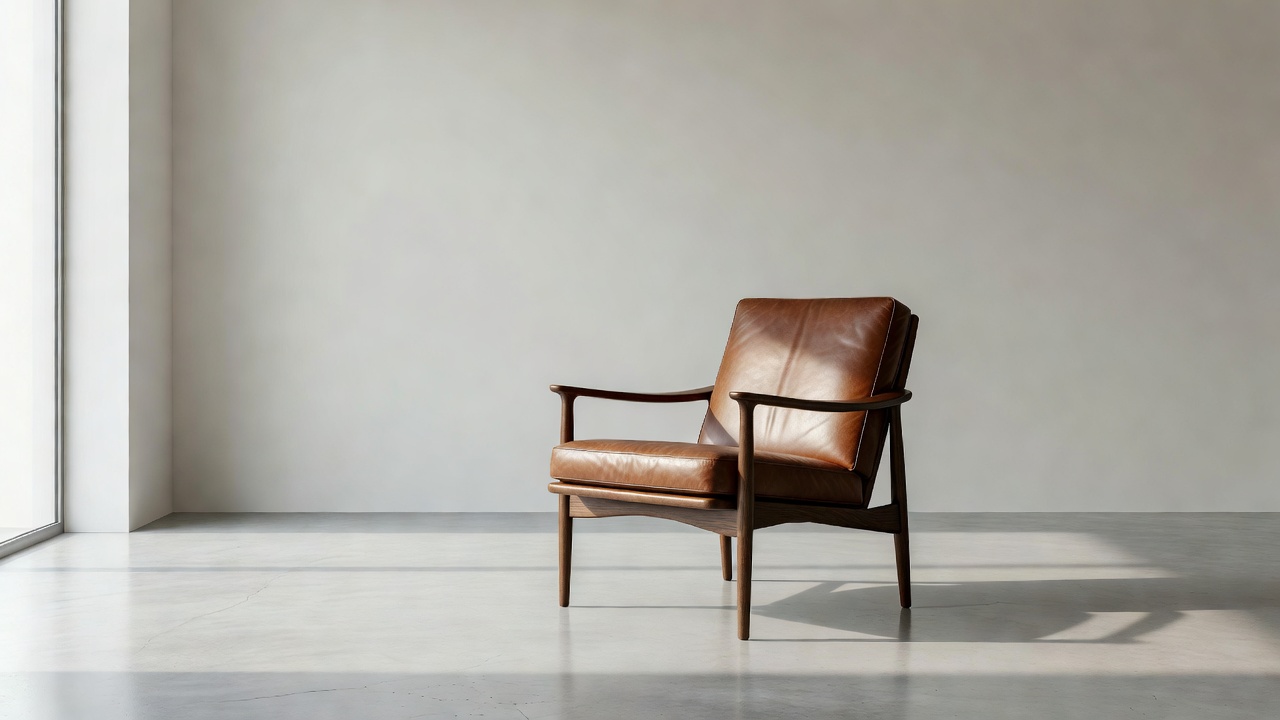
The foundations of mid-century decor rest heavily on the shoulders of the Bauhaus movement and subsequent Scandinavian design philosophies. Stores that excel in this category understand the distinction between a hollow imitation and a piece crafted with structural integrity. Icons like the Eames Lounge Chair, produced by Herman Miller in the United States and Vitra in Europe, demonstrate the era's fascination with molded plywood and leather. True decor curation involves integrating such bold statement pieces into a room without allowing them to turn the space into a museum.
When browsing premium furniture galleries, the focus should shift to materials. Solid teak, rosewood, and walnut were staples of Danish modernism, championed by designers like Hans Wegner and Finn Juhl. A vintage credenza from the 1960s, exhibiting the rich patina that only decades of UV exposure and oiling can provide, anchors a dining room with unmatched warmth. Notable hubs for sourcing these original pieces include specialized vintage dealers in Copenhagen, London's Pimlico Road, and select galleries in Los Angeles.
Sustainable Materials and Lifespan
In the context of furniture, sustainability is inextricably linked to longevity. The mid-century ethos of "buy once, buy well" is the antithesis of modern fast-furniture. High-end decor stores focusing on this era often provide restoration services, ensuring that a Hans Wegner Wishbone chair can be re-corded using traditional paper cord techniques, extending its life for another half-century.
"A chair is a very difficult object. A skyscraper is almost easier. That is why Chippendale is famous." - Ludwig Mies van der Rohe
Furthermore, contemporary stores that produce 'new' mid-century inspired lines are increasingly scrutinized for their timber sourcing. FSC-certified solid woods and traditional joinery—dovetails, mortise and tenon—are non-negotiable standards for luxury tier investments. The elimination of toxic glues and synthetic veneers in favor of natural linseed oils and hard-wax finishes ensures the piece ages gracefully.
Investment and Provenance
For the serious collector, furniture is an asset class. Sourcing from reputable stores requires demanding documentation. Original manufacturer medallions (such as the Knoll Studio stamp or early foil labels from Herman Miller) drastically impact valuation. When curating an interior, blending investment-grade vintage seating with high-quality contemporary case goods creates a balanced, lived-in aesthetic that feels curated over a lifetime rather than purchased from a single showroom floor.