Lighting Dynamics: Architectural Illumination
Lighting is the most intangible, yet consequential, element of interior design. A poorly lit room, regardless of the pedigree of its furniture, will feel flat and unwelcoming. High-end decor sourcing approaches lighting not merely as utility, but as functional sculpture. The physical fixture must be striking during the day, and the light it casts must be transformative at night.
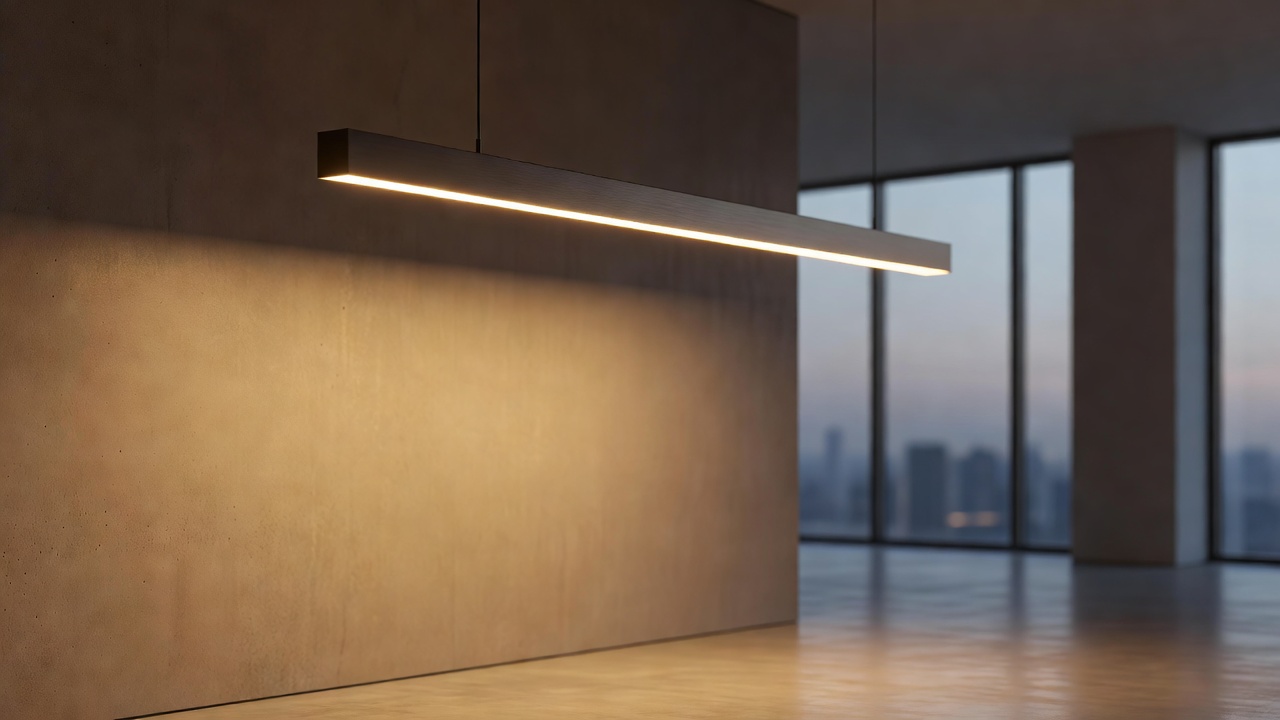
Lighting Dynamics
The philosophy of ambient versus task lighting is central to selecting fixtures. Masters of light manipulation, such as the Danish designer Poul Henningsen, spent decades engineering shades that hide the bulb's filament, producing a glare-free, perfectly diffused glow. The classic PH Artichoke pendant is a masterclass in this lighting dynamic, utilizing layered leaves to reflect and distribute light softly around a dining space.
Similarly, the Akari Light Sculptures by Isamu Noguchi represent the intersection of traditional Japanese craftsmanship and mid-century modernism. Constructed from washi paper and bamboo ribbing in Gifu, Japan, these delicate lanterns filter harsh electrical light into an ambient, sun-like warmth. Authentic Akari pieces are a staple in curated decor stores, distinguished from cheap paper lanterns by their structural integrity and precise geometric forms.
Material Science in Fixtures
Contemporary lighting studios are pushing the boundaries of materiality. Unlacquered brass, which develops a rich, dark patina over time, is heavily favored for its living finish. Artisans in Brooklyn and Milan are combining this heavy, industrial metal with hand-blown borosilicate glass or alabaster stone. Alabaster, with its natural veining, acts as a dense, organic diffuser that renders LED light deeply atmospheric.
"Light is the first of painters. There is no object so foul that intense light will not make it beautiful. Therefore, control the light."
When sourcing lighting, the technical specifications are as important as the aesthetics. Luxury decor integrators pay strict attention to Color Rendering Index (CRI) and Kelvin temperature. A high-end LED module will boast a CRI of 95+, ensuring that the fabrics, woods, and ceramics in a room display their true colors. Warm temperatures (2700K to 3000K) are universally preferred in residential settings to mimic the comforting glow of incandescent and firelight.
Sourcing the Exceptional
Navigating the landscape of luxury lighting requires looking beyond big-box retailers to specialized architectural lighting galleries. Brands such as Flos, Apparatus, and Roll & Hill frequently collaborate with cutting-edge designers to produce small-batch, highly engineered fixtures. These pieces operate as the jewelry of the home—the final, defining touch that elevates a space from standard to extraordinary.