Minimalist Ceramics: The Foundation of Earthy Elegance
In the realm of high-end interior curation, ceramics occupy a unique position. They are tactile, functional art pieces that bridge the gap between architectural severity and human warmth. Whether arrayed on a floating walnut shelf or centering a massive dining table, the right ceramic vessel alters the atmospheric density of a room.
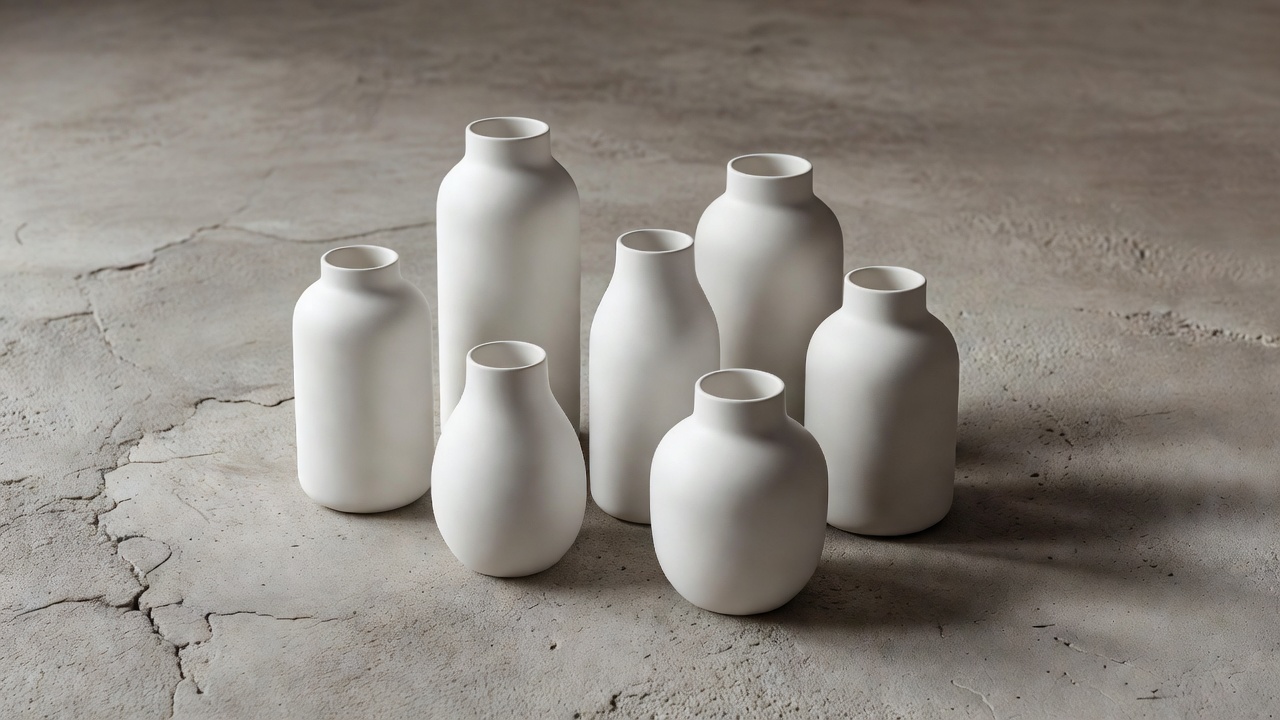
Curating Your Space
The pursuit of the perfect ceramic piece often leads collectors to the historical epicenters of pottery. In Japan, the towns of Mashiko and Arita offer distinct traditions. Mashiko is synonymous with the Mingei (folk art) movement, championed by figures like Shoji Hamada and Bernard Leach in the early 20th century. Their philosophy prioritized utilitarian beauty, a concept that remains profoundly relevant in today’s minimalist decor ethos. Pieces sourced from these traditions often feature rich, earthy glazes—tenmoku (iron black) or kaki (persimmon)—that absorb light rather than reflect it, anchoring bright spaces.
Conversely, Arita is the birthplace of Japanese porcelain. For those curating a stark, modern aesthetic, the impossibly thin, translucent white porcelain from this region offers a sharp, clean silhouette. Contemporary stores like Heath Ceramics in Sausalito, California, blend these historical firing techniques with mid-century modern design sensibilities, producing tableware and architectural tile that define the West Coast aesthetic.
Sustainable Materials in Modern Studios
When sourcing contemporary ceramics, the dialogue has shifted toward sustainability and hyper-local clay bodies. British studio potters working in the tradition of Lucie Rie often harvest wild clay from Cornwall or Wales, creating a direct geological connection between the object and the earth. This raw, unglazed exterior—often referred to as 'biscuit' or 'bisque'—paired with a glazed interior, offers a compelling textural contrast.
"A room should feel collected, not decorated. A single, well-proportioned stoneware vase can hold the visual weight of a space better than a dozen mass-produced ornaments."
Top decor stores specializing in this aesthetic prioritize makers who utilize gas reduction kilns or traditional wood-firing (anagama). The unpredictability of ash falling on the clay during a multi-day wood firing creates a natural ash glaze, ensuring that no two pieces are identical. This uniqueness is the ultimate luxury in a mass-produced world.
Identifying Authentic Sourcing
When evaluating a store or gallery for minimalist ceramics, pay attention to the curation criteria. The finest purveyors will provide provenance for each piece. They will name the artisan, identify the specific type of clay (e.g., grogged stoneware, bone china, terracotta), and describe the firing process. Whether you are acquiring a massive floor vessel by a contemporary Korean master of the moon jar, or a delicate set of matcha bowls from a Kyoto atelier, the story of the material is as vital as the final form.